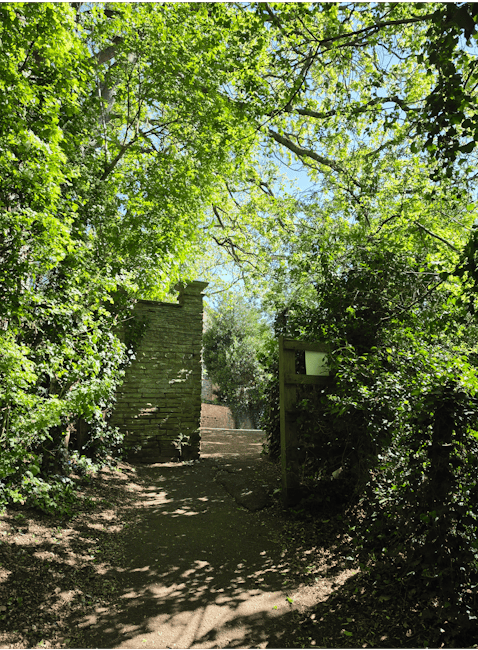
Best gardeners in Gipsy Hill for small London gardens
If you live in Gipsy Hill, you probably know the feeling: the garden looks lovely in your head, but in real life it is a narrow strip, a shaded courtyard, a paved patch, or a tiny corner that seems to collect more problems than plants. That is exactly where the best gardeners in Gipsy Hill for small London gardens make a real difference. They know how to turn awkward dimensions, limited light, and busy city routines into something calm, practical, and genuinely enjoyable.
This guide is for anyone weighing up garden help in a local London setting. It covers what to look for, how good small-garden work actually happens, which services matter most, and how to avoid paying for the wrong kind of help. You will also find a comparison table, a practical checklist, and a few grounded tips that can save you a lot of time and second-guessing. Let's face it, a small garden can be either a stress point or a little sanctuary. Usually, the difference is in the planning.
Quick expert summary: the best results in compact London gardens usually come from gardeners who understand proportion, drainage, seasonal maintenance, container planting, tidy edge definition, and realistic upkeep. If they also communicate clearly, quote sensibly, and work neatly around neighbours and access, you are off to a very good start.
Table of Contents
- Why best gardeners in Gipsy Hill for small London gardens matters
- How the service works
- Key benefits and practical advantages
- Who this is for and when it makes sense
- Step-by-step guidance
- Expert tips for better results
- Common mistakes to avoid
- Tools, resources and recommendations
- Law, compliance, standards, or best practice
- Options, methods, or comparison table
- Case study or real-world example
- Practical checklist
- Conclusion
- Frequently asked questions
Why Best gardeners in Gipsy Hill for small London gardens Matters
Small London gardens are not just smaller versions of bigger ones. That sounds obvious, but it is where many projects go wrong. A compact garden in Gipsy Hill often has its own odd light pattern, overlooked boundaries, tight access, and a mix of hard surfaces and planting pockets. A generic approach can make it feel even smaller. The right gardener sees possibility where others see a nuisance.
In practical terms, a skilled local gardener can help you use every metre properly. That might mean replacing a heavy, high-maintenance border with layered planting, reshaping a tired lawn into something easier to care for, or adding structure so the garden still looks good in winter. Small spaces need editing. Not more stuff, usually. Better stuff.
There is also the local angle. Gardens in this part of London often sit close to houses, fences, and neighbouring properties, so tidiness, timing, and respect matter. A good gardener understands that a late afternoon cutback should not turn into noise and mess for the whole street. Small jobs in the city are never really small, not if you want them done properly.
If you want a broader view of what a local team can handle beyond one-off tidying, it helps to explore the full services overview and see how regular maintenance, planting, and garden tidying can fit together.
How Best gardeners in Gipsy Hill for small London gardens Works
Good small-garden work starts with observation. Before anyone lifts a spade, they should be looking at light, drainage, access, soil condition, existing plants, and how you actually use the space. Do you want somewhere to sit with a cup of tea in the morning? A child-friendly patch? Pots that stay attractive all year? A low-effort garden that does not become a chore every weekend?
From there, the gardener usually breaks the job into priorities. The first pass may involve clearing clutter, pruning back overgrowth, weeding, and improving the basic shape of the space. Then comes the structural layer: edging, container placement, plant selection, and perhaps a small amount of repair or soil improvement. After that, the aim is maintenance. In a small garden, upkeep often matters more than grand design.
A good process feels calm, not rushed. You should expect a clear conversation about what is realistic, what needs doing now, and what can wait until the next season. If someone promises a complete transformation in no time and for very little money, that is the point where you raise an eyebrow. Fair enough, really.
For people comparing providers, it can be useful to review the approach to pricing and quotes early on. The best gardeners will usually explain what is included, what might change, and how ongoing work is priced without making you decode vague language.
Key Benefits and Practical Advantages
Hiring the right gardener for a small London garden is not only about making it look better. It can solve daily irritations that quietly build up over time. One overgrown hedge can block light. One bad planting choice can make a whole border feel messy. One neglected corner can attract leaves, damp, and weeds. You know how it goes.
Here are the main benefits people tend to notice first:
- More usable space: better layout makes a small garden feel easier to sit in, walk through, and enjoy.
- Less maintenance stress: smarter planting and tidier structure reduce the weekly workload.
- Improved curb appeal: even modest gardens can lift the whole feel of a property.
- Healthier plants: the right pruning and soil care prevent a lot of avoidable decline.
- Better seasonal interest: thoughtful planting means the garden has something going for it in more than one month of the year.
- Cleaner boundaries and edges: sharp edges and controlled growth make compact spaces feel intentional.
There is also a quieter benefit. When a small garden works properly, you use it more. You notice the scent of wet soil after rain, the way a climber catches light in the evening, or how much nicer the view is from the kitchen window once the middle layer is tidied. A small upgrade can genuinely change how a home feels.
If sustainability matters to you, it may also be worth checking how a local gardener handles waste and greener practices. The page on recycling and sustainability is a useful place to understand how garden waste and responsible material choices may be managed.
Who This Is For and When It Makes Sense
This kind of gardening support is ideal if your outdoor space is modest in size but still important to you. That covers a lot of people, truth be told. Small gardens can belong to flats, terraces, maisonettes, and family homes, and each one brings different practical limits.
You may benefit most if you are:
- short on time and want the garden to stay manageable
- unsure how to improve a cramped, awkward layout
- dealing with patchy growth, overgrown shrubs, or tired borders
- moving into a property and want a fresh start outside
- preparing to sell or rent and need the garden to look cared for
- simply fed up with spending weekends chasing weeds around containers and paving
It also makes sense if you have tried the DIY route and realised that the space needs more than a quick tidy. A small garden with poor structure can feel oddly harder than a larger one. Every mistake is magnified. Every plant has to earn its keep. That is why a specialist approach pays off.
For anyone who wants to understand the people behind the work before making a call, the about us page can help you get a feel for the team, their values, and the kind of work they focus on.
Step-by-Step Guidance
If you are planning to hire help for a compact garden, a straightforward process keeps things easier. No need to overcomplicate it. Here is a sensible way to go about it.
- List what bothers you most. Is it weeds, shade, clutter, poor drainage, or simply that the garden feels unfinished?
- Decide what the garden needs to do. Seating? Storage? Screening? Low maintenance? Wildlife-friendly planting?
- Take a few photos and measurements. Even rough dimensions help a gardener understand the scale and avoid guessing.
- Ask how they would approach a small space. You want to hear practical thinking, not just "we can do anything."
- Check what is included in the quote. Labour, green waste removal, materials, planting, and follow-up visits should be discussed clearly.
- Choose priorities before the work starts. You may not need everything done at once, and that is fine.
- Review progress after the first visit. A good gardener will welcome feedback and adjust the approach if needed.
One small but important point: ask what happens after the initial tidy-up. A compact garden often needs a maintenance rhythm, not just one dramatic reset. If you leave it too long, the same issues creep back. Bit annoying, but entirely normal.
You can also look at practical support options by reviewing the wider services overview so you can match the job to the right type of visit, whether that is pruning, seasonal tidy-up, or ongoing maintenance.
Expert Tips for Better Results
In small London gardens, design discipline matters. The best results often come from restraint rather than packing in more plants, more colours, and more features. A clear plan beats a busy one.
Here are a few grounded tips that tend to work well:
- Use repetition wisely. Repeating a few plants or materials creates calm and makes a small garden feel more coherent.
- Think vertically. Climbers, wall training, and slim screening can add interest without stealing floor space.
- Choose containers with purpose. Pots should support the layout, not litter it. Fewer, better-placed containers usually look smarter.
- Prioritise year-round structure. Evergreens, grasses, and woody plants give the garden shape when flowers fade.
- Leave room to move. Tiny gaps count. If you cannot pass comfortably, the space will feel cramped even if it looks pretty on paper.
- Match planting to light levels. Shade-tolerant plants in shaded spots, sun lovers where the light actually reaches. Sounds basic, but it is where many gardens wobble.
Also, do not underestimate edge work. Clean edges around beds, paving, and paths can make an ordinary garden look immediately more considered. It is one of those unglamorous details that quietly does a lot of heavy lifting.
If access, working conditions, or site safety are on your mind, it is sensible to review the company's health and safety policy and insurance and safety information. In a tight urban space, that stuff matters more than people sometimes admit.
Common Mistakes to Avoid
Small gardens magnify mistakes. That is the blunt truth. A large garden can absorb a few poor choices. A compact one cannot.
Watch out for these common problems:
- Overplanting: too many species, too close together, creates a cluttered look and extra maintenance.
- Ignoring access: if tools, waste, and materials are hard to move through the space, the job takes longer and may cost more.
- Choosing plants only for summer impact: a garden that looks good for six weeks and tired for the rest of the year is a missed opportunity.
- Skipping maintenance planning: even clever planting needs a light touch through the year.
- Assuming all gardeners do the same work: some focus on soft landscaping, others on routine care, and some on both. Ask clearly.
- Not discussing waste removal: green waste can build up fast in a small job, oddly enough.
Another sneaky mistake is asking for a "low maintenance" garden without defining what that means. Low maintenance for one person might mean monthly visits. For another, it might mean a carefully planted space that only needs a seasonal tidy. Be specific, otherwise you can end up with a result that sounds good but does not suit your life at all.
If a problem arises after work is completed, it helps to know there is a clear route for raising concerns. The complaints procedure page shows the kind of process a professional business should make available. Hopefully you never need it, of course. But it is reassuring to know it exists.
Tools, Resources and Recommendations
For a small London garden, the right tools are not about owning the most gear. They are about using the right kit efficiently and keeping the work tidy. A competent gardener will usually have the basics covered without dragging half a warehouse into your back yard.
Useful tools and materials often include:
- sharp secateurs for clean pruning cuts
- hedge shears or powered trimmers where appropriate
- spades, forks, hand trowels, and hand weeders
- soil improvers or compost for tired borders
- mulch to help retain moisture and suppress weeds
- containers or raised planters for space-efficient planting
- tie systems and supports for climbers and taller plants
For the homeowner, a few simple resources help the whole process run more smoothly:
- a notebook or phone note with your priorities
- photos of the garden at different times of day
- a rough idea of shade, drainage, and problem areas
- a clear budget range, even if it is approximate
And if you are still comparing providers, the most useful next steps are usually the ones that reduce uncertainty. A clear contact us page is helpful when you want to ask about availability, and the pricing and quotes page gives you a sensible starting point for understanding what to expect before you commit.
Law, Compliance, Standards, or Best Practice
Most domestic gardening work is straightforward, but there are still sensible standards to follow. A professional gardener should work carefully, use safe methods, and respect property boundaries, access routes, and waste handling. In a city like London, that is not just polite. It is part of doing the job properly.
Best practice usually includes:
- clear communication before work begins
- appropriate insurance for the type of work being carried out
- safe handling of tools, ladders, and powered equipment
- responsible disposal or recycling of green waste where possible
- respect for neighbouring properties and shared access
- transparent terms around pricing, scope, and timing
Privacy and payment handling should also be sensible and secure. If you are sharing personal details or arranging invoices, it is worth checking the business's payment and security information and privacy policy. That is just good practice, really. No drama, just a basic level of care.
Responsible businesses may also publish helpful policy pages, such as their terms and conditions and accessibility statement, so customers know how services are delivered and how information is handled. It is a small trust signal, but an important one.
Options, Methods, or Comparison Table
Not every small garden needs the same type of support. Some need a one-off rescue. Others need regular care. Some are better served by planting-focused work, while others need structural tidying first. Here is a simple comparison to help you think it through.
| Option | Best for | Strengths | Watch-outs |
|---|---|---|---|
| One-off tidy-up | Overgrown or neglected small gardens | Fast improvement, immediate visual impact | Can slip back without maintenance |
| Regular maintenance | Busy households and rental properties | Consistent look, fewer surprises | Needs scheduling and clear scope |
| Planting refresh | Borders and pots that feel tired or patchy | Improves colour, structure, and seasonality | Plant choice must suit light and soil |
| Layout rethink | Very awkward or cramped spaces | Makes the garden function better overall | Requires a clearer brief and often more planning |
If you are unsure which route to choose, start with the issue that causes the most friction day to day. Usually that is either visual clutter, lack of structure, or too much ongoing maintenance. Fix the thing that annoys you every week. The rest becomes easier to judge after that.
Case Study or Real-World Example
Imagine a narrow Gipsy Hill back garden behind a Victorian terrace. It has a small lawn that gets patchy in shade, a few tired shrubs, containers that are too close together, and a paved area that is forever full of leaves. Nothing dramatic, just one of those spaces that never quite feels finished.
A sensible gardener would probably not start by tearing everything out. First they would clear the space, assess what is healthy, and decide what is worth keeping. Then they might reduce the number of containers, tighten the planting palette, prune the shrubs for shape and light, and add mulch to the beds so the whole thing feels calmer. Maybe a climber or two on the fence, maybe some evergreen structure, maybe a more defined sitting area. Simple, but not simplistic.
After that, the garden would be easier to live with. You would still need maintenance, of course. But the weekly feel changes. The eye can rest. The garden stops shouting for attention and starts doing its job quietly. That is often what people really want, even if they ask for "a bit of a tidy-up" at the start.
This is where a local gardener's judgement matters more than a flashy portfolio. In small spaces, good editing is everything.
Practical Checklist
Use this checklist before booking work. It keeps the conversation focused and helps you compare quotes fairly.
- Do I know exactly what I want improved first?
- Have I measured the garden roughly and taken photos?
- Do I want one-off work or ongoing maintenance?
- Have I asked what is included in the quote?
- Do I understand whether waste removal is covered?
- Have I discussed access, parking, and any neighbour-sensitive timing?
- Do I know which plants or features I want to keep?
- Have I asked how the gardener handles safety and insurance?
- Do I have a realistic budget range?
- Have I thought about how much time I want to spend maintaining the garden after the work is done?
And one more, because it saves headaches: do I actually want a garden I can enjoy, or just a garden that looks temporarily neat? There is a difference. A useful one.
Get a free quote today and see how much you can save.
Conclusion
The best gardeners in Gipsy Hill for small London gardens do more than cut things back and clear leaves. They help you make sense of a compact outdoor space, which is often the real challenge. They bring structure, light, balance, and a practical plan that suits city life rather than fighting it.
If you take one thing from this guide, let it be this: small gardens reward thoughtful work. The right gardener will notice the awkward corners, the shady spots, the places where you naturally sit, and the bits that need to disappear quietly into the background. That is where value lives.
So choose carefully, ask clear questions, and look for a team that treats your garden like a living part of the home, not a quick patch job. When that happens, even a modest London space can feel surprisingly generous. And honestly, that is a lovely thing to come home to.
Frequently Asked Questions
What should I look for in the best gardeners in Gipsy Hill for small London gardens?
Look for clear communication, experience with compact spaces, sensible pricing, tidy working habits, and a practical understanding of small-garden design. A good gardener should explain how they would handle light, access, planting, and ongoing maintenance.
Do small London gardens need a specialist gardener?
Not always, but a gardener with small-space experience is usually a better fit. Compact gardens need careful editing, proportion, and plant choice. Someone who understands that tends to produce a more polished result.
How often should a small garden in Gipsy Hill be maintained?
It depends on planting, size, and how tidy you want it to stay. Some gardens only need seasonal work, while others benefit from regular visits through the growing season. If in doubt, ask for a maintenance plan rather than guessing.
What is the difference between a garden tidy-up and regular maintenance?
A tidy-up is usually a one-off visit to restore order. Regular maintenance is ongoing care to keep the space in good condition. Small gardens often do best with a mix of both: a reset first, then lighter follow-up visits.
Can a small garden still have good design?
Absolutely. In fact, small gardens often benefit most from strong design. With the right layout, planting structure, and simple materials, a tiny space can feel balanced, calm, and surprisingly generous.
How do I compare quotes from local gardeners?
Compare what is included, not just the final price. Check labour, materials, waste removal, and whether the quote covers one visit or ongoing work. A lower price is not always better if it leaves out essentials.
Should I ask about insurance before booking a gardener?
Yes, especially if the work involves tools, ladders, or heavier garden clearance. Insurance is a basic trust signal and an important part of professional practice. It should never feel awkward to ask.
What kind of plants work best in a small London garden?
Usually plants that suit the specific light and soil conditions in your garden. Compact shrubs, climbers, evergreen structure, shade-tolerant planting, and container-friendly varieties often work well. The exact mix depends on the space.
Can gardeners help with recycling garden waste?
Many can, but you should confirm it in advance. Responsible disposal matters in small urban spaces because clearance jobs can produce a surprising amount of waste. Ask how it will be handled before the work begins.
What if I only need help a few times a year?
That is completely normal. Many people only need seasonal visits for pruning, clearing, and a reset before spring or autumn. A good gardener should be able to work around that kind of schedule.
How do I know if a gardener understands small-space design?
Ask how they would make the garden feel larger, simpler, or easier to maintain. If they talk about proportion, repetition, vertical planting, and sensible structure, that is a strong sign. If they only talk about adding more plants, be cautious.
Where should I start if my small garden feels overwhelming?
Start with the biggest source of frustration. That might be overgrowth, poor layout, or too much clutter. Once the main issue is handled, the rest becomes clearer. Small gardens respond well to calm, staged improvement.