Garden maintenance prices Gipsy Hill compare local gardeners
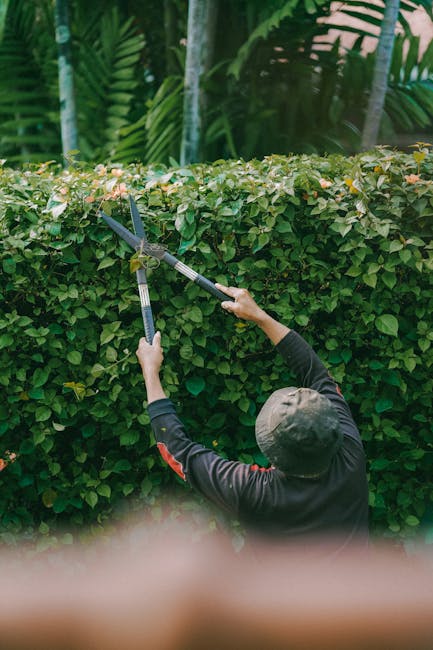
If you are trying to understand garden maintenance prices in Gipsy Hill and compare local gardeners without getting lost in vague quotes, you are in the right place. The truth is, garden care can look simple from the outside, but once you start pricing up regular visits, one-off tidy-ups, hedge work, lawn care, and clearance, the numbers can move around quite a bit. That is normal. What matters is knowing what you are paying for, what to expect from a proper quote, and how to judge value beyond the headline price.
This guide breaks the topic down in plain English. You will learn how pricing usually works, which services affect the cost most, where local gardeners may differ, and how to compare options in a way that feels fair and practical. If you want a starting point for service choices as well, it can help to look at the wider services overview and the dedicated garden maintenance page while you read.
Quick takeaway: the cheapest gardener is not always the best value. A good comparison balances price, reliability, scope of work, waste handling, safety, and how well the service fits your garden's actual condition.
Why Garden maintenance prices Gipsy Hill compare local gardeners Matters
Garden maintenance is one of those jobs that looks straightforward until the seasons, the size of the plot, and the amount of handwork start to matter. In Gipsy Hill, where gardens can range from compact courtyards to longer suburban plots with borders, hedges, lawns, and awkward access, one gardener may quote quite differently from another for the same general request. That is exactly why comparing local gardeners properly matters.
If you only compare the final figure, you may miss the real story. One quote might include mowing, edging, weeding, and green waste removal. Another might only cover mowing and a quick tidy, leaving you to deal with the mess afterward. Not exactly the same service, is it? A fair comparison helps you avoid paying twice for work that should have been included the first time.
There is also the local factor. A gardener familiar with South London streets, parking restrictions, tight access, and the sort of mixed planting you often see in residential gardens can work faster and more efficiently. That does not automatically make them cheaper, but it often makes the service smoother. Less faff, fewer delays, fewer awkward surprises.
For many homeowners, landlords, and busy families, regular upkeep is not a luxury. It is the difference between a garden that quietly stays usable and one that turns into a Saturday-eating project every month. And if you want the outside space to support a deck, seating area, or a bigger redesign, keeping maintenance under control is even more important. You can see how that connects with landscaping and even decking services if you are planning longer-term improvements.
How Garden maintenance prices Gipsy Hill compare local gardeners Works
Most garden maintenance pricing is built from a few basic ingredients: time, labour, task complexity, waste removal, and how often the work is needed. Local gardeners may charge by the hour, by the visit, or by a maintenance package. Sometimes they blend these methods depending on the job. A light weekly tidy has a very different shape from a spring reset after months of growth.
Here is the practical reality. A gardener who arrives to mow a tidy lawn and deadhead a few borders will usually price differently from someone who needs to cut back overgrown shrubs, clear leaves, edge paths, and remove clippings. The work may take longer, require more tools, and generate more waste. That all feeds into the quote.
When comparing local gardeners in Gipsy Hill, ask what the quote covers in plain terms. For example:
- mowing and edging only, or mowing plus cleanup
- weeding of beds, paths, and cracks
- hedge trimming and shaping
- leaf clearance and seasonal tidy-ups
- green waste removal and disposal
- ad hoc jobs versus a recurring maintenance schedule
That last point matters a lot. A one-off visit often costs more per hour than a regular maintenance arrangement because the gardener has to assess the site, travel, and complete more variable work. Repeated visits can sometimes be better value because the garden is easier to maintain once it is under control. You know the type of thing: less jungle, more garden.
For a clearer picture of service structure, the dedicated lawn mowing and hedge trimming pages are useful companions when comparing task-by-task pricing.
Key Benefits and Practical Advantages
There are several reasons why taking the time to compare local gardeners pays off, and they go beyond finding a lower number on a quotation.
- Better value for the same money: Two quotes at similar prices can still deliver very different outcomes.
- Less risk of scope creep: A clearly written quote reduces the chance of extra charges appearing mid-job.
- More suitable scheduling: Local gardeners often offer more flexible visit times and quicker turnaround for seasonal work.
- Improved garden health: Regular, appropriate maintenance keeps lawns, hedges, and beds in better shape.
- Cleaner outdoor spaces: Proper clearance of clippings and debris makes a real difference, especially after a heavy cut-back.
There is also the peace-of-mind factor. A good gardener should be able to explain why one service costs more than another. That usually means they understand the site properly, not just tossing out a figure and hoping for the best. To be fair, that alone can save you a lot of hassle later.
If you need a bigger reset rather than routine upkeep, services such as garden clearance can be a better fit than simple maintenance, especially when brambles, broken branches, or deep piles of waste are involved.
Who This Is For and When It Makes Sense
This topic matters to a lot more people than first-time homeowners. In practice, garden maintenance comparisons are useful if you are:
- a homeowner trying to keep monthly spending sensible
- a landlord who wants outdoor areas presentable between tenancies
- a renter responsible for an overgrown shared garden
- a busy family that wants the garden usable without constant weekend jobs
- an older resident who needs dependable help with physical tasks
- someone planning a wider refresh and wanting the current garden kept tidy meanwhile
It also makes sense if you have a garden that has become a bit lopsided in its needs. Maybe the lawn is under control, but the hedge keeps getting away from you. Maybe the front garden looks fine, but the rear space is full of self-seeded growth. Maybe you just cannot face the first big tidy after winter. Happens to the best of us.
For properties with mixed requirements, comparing local gardeners helps you decide whether you need routine upkeep, ad hoc help, or a combination of both. If the work starts moving into structural or redesign territory, then landscape gardening or broader landscaping may be more appropriate than simple maintenance.
Step-by-Step Guidance
If you want to compare garden maintenance prices in a sensible way, use a process rather than guessing. A bit of structure goes a long way.
- List what you actually need. Start with the basics: mowing, hedge cutting, weeding, pruning, leaf clearance, waste removal, border tidying, or a full one-off reset.
- Separate regular tasks from one-off jobs. A recurring mow is not the same as a seasonal cut-back or post-storm clearance.
- Measure the garden roughly. You do not need surveyor precision. Just note whether it is small, medium, or large, and mention any awkward access.
- Describe the current condition honestly. Overgrown, patchy, recently maintained, or partly cleared. That honesty helps avoid disappointment later.
- Ask what is included. Check labour, tools, waste removal, edging, disposal, and whether the quote is fixed or estimated.
- Compare like with like. If one gardener includes waste removal and another does not, adjust your comparison accordingly.
- Check availability and frequency. A slightly higher quote may be better if the gardener can keep to a reliable schedule.
- Confirm payment terms. Make sure you understand invoicing, deposits if any, and how the work is booked. The site's payment and security information is useful reading before you agree anything.
A small but important tip: ask for a quote that names the main tasks in plain language. If it sounds vague, it usually is. And vague quotes have a way of becoming expensive quotes. Funny how that happens.
Expert Tips for Better Results
After comparing plenty of garden jobs, a few patterns stand out.
First, prioritise consistency over one-off heroics. A garden that is maintained regularly will usually cost less over time than a space that swings between neglected and emergency state. Regular visits keep jobs small and manageable.
Second, be careful with "too cheap to question" pricing. Low prices can be genuine, of course, but they can also mean work has been underquoted, waste has been left out, or the gardener has not fully understood the site. If the quote is oddly low, ask what is excluded.
Third, think in seasons. Spring growth, summer mowing, autumn leaf clearance, and winter pruning each affect workload in different ways. A good gardener will not treat every month like July. That would be a bit daft, really.
Fourth, look for evidence of practical judgment. A knowledgeable gardener should be able to explain whether a hedge needs trimming lightly or properly reshaped, whether the lawn needs cutting or recovery work, and whether a border needs weeding before it can be mulched.
Fifth, ask about sustainability and waste handling. Good garden practice often includes thoughtful disposal and recycling where possible. If that matters to you, check the company's recycling and sustainability approach.
A well-run service is rarely flashy. It just shows up, gets on with the work, and leaves the place looking calm. You notice it most when it is not there.
Common Mistakes to Avoid
Comparing gardeners sounds simple, but people often trip over the same few mistakes.
- Choosing only on price. Cheap is not always economical if the work is rushed or incomplete.
- Not checking scope. A quote without detail can leave out edging, waste removal, or pruning.
- Forgetting access issues. Narrow side access, stairs, long carry distances, and parking can all affect labour time.
- Assuming every garden is the same. Even two similar-looking gardens can vary in complexity, especially once hedges, beds, and slopes are involved.
- Ignoring safety and insurance. If a job involves ladders, cutting tools, or tree work, those details matter more than people think.
- Using maintenance when clearance is needed. A garden in heavy disarray may need a proper clearance first, then ongoing care after.
One more mistake worth naming: not asking how the gardener deals with unexpected extra work. If they find a hidden section of overgrowth or a broken branch, what happens next? A good operator will explain before proceeding, not after the bill lands.
Tools, Resources and Recommendations
You do not need specialist knowledge to compare local gardeners well, but a few simple tools help.
- A notebook or phone notes: Keep a record of what each gardener includes.
- Photos of the garden: Useful for sharing the current condition before a visit.
- A rough calendar: Helps you decide whether you need weekly, fortnightly, monthly, or seasonal work.
- A task list: Separate mowing, hedge trimming, clearance, pruning, and general tidy work.
- A comparison table: Handy when you are weighing price against service scope.
It can also help to review the company's wider information pages before booking. The about us page can tell you more about who you are dealing with, while insurance and safety gives useful reassurance for jobs involving tools, ladders, or heavier garden work.
If you are exploring broader outdoor improvements, the pages for tree lopping and removal and decking services can help you separate maintenance from larger project work. That distinction matters when you compare quotes.
Law, Compliance, Standards, or Best Practice
For everyday garden maintenance, the most useful "compliance" question is usually about safe working practice rather than complicated paperwork. If a gardener is using cutting equipment, climbing equipment, or removing waste, you want to know the work is being handled responsibly and with proper care.
In the UK, local garden work generally follows common-sense best practice: appropriate personal protective equipment, safe use of tools, sensible handling of waste, and awareness of nearby people, pets, and property. For anything involving trees, ladders, or more technical cutting, a gardener should be clear about what they can safely do and what needs specialist attention.
It is also sensible to confirm how complaints are handled if something goes wrong, even for small domestic jobs. Good businesses should have a straightforward process. If you want to see how that is approached here, the complaints procedure page is there for reference.
Finally, make sure the paperwork is sensible too. Clear terms, transparent payment expectations, and straightforward privacy information are all signs of an organised business. If you like that kind of clarity, the terms and conditions and privacy policy pages are worth a quick read before you commit.
Options, Methods, or Comparison Table
Below is a simple comparison of common ways local gardeners may price maintenance work. This is not a fixed rate card; it is a practical way to think about quotes.
| Pricing method | Best for | What to watch for | Value signal |
|---|---|---|---|
| Hourly rate | Mixed jobs, unknown condition, flexible tasks | Can rise if access is poor or the garden is more overgrown than expected | Good when the scope is unclear and you want adaptability |
| Per visit | Regular mowing, tidying, and light maintenance | Make sure the visit length and tasks are clearly defined | Useful for predictable, ongoing care |
| One-off fixed quote | Seasonal clear-ups, first-time jobs, heavy tidies | Check exactly what counts as included work and what triggers extras | Best when you want budget certainty |
| Recurring maintenance plan | Busy households, rental properties, long-term upkeep | Review frequency so you are not paying for unnecessary visits | Often the most balanced option over time |
For most people, the sweet spot is a recurring arrangement with occasional one-off work when the seasons demand it. It keeps the garden presentable without turning every visit into a mini rescue mission.
Case Study or Real-World Example
Picture a typical Gipsy Hill garden in late spring. The lawn has grown quickly after a wet spell, the hedge has started to bulge, and there are clippings, leaves, and a few weeds tucked into the borders. Nothing dramatic. Just enough to make the space look a little tired.
One gardener quotes for a quick mow and tidy only. Another quotes for mowing, edging, hedge trimming, and removal of green waste. The first price is lower, which is tempting, but the garden would still need a second visit or a separate waste collection. The second looks more expensive at first glance, but it is actually closer to the real total cost of getting the garden back into shape.
That is where smart comparison comes in. Once the homeowner compares the scope properly, the better-value option becomes obvious. Not because it is the cheapest, but because it solves the whole problem in one go. A week later, the garden smells fresh after rain, the path is clear, and the whole place feels more usable. That's the part people remember.
In a case like that, a maintenance plan can then keep the lawn manageable and the hedge from getting out of hand again. Simple, really. Not always easy, but simple.
Practical Checklist
Use this checklist before you book a local gardener in Gipsy Hill.
- Have I listed every task I need done?
- Do I know whether this is routine maintenance or a one-off clearance job?
- Have I described the garden's current condition honestly?
- Do I know whether waste removal is included?
- Have I checked if hedge trimming, mowing, or pruning are priced separately?
- Do I understand whether the quote is fixed, estimated, or hourly?
- Have I compared at least two or three local quotes on a like-for-like basis?
- Do I know what payment terms apply?
- Have I checked the company's insurance and safety information?
- Have I thought about whether I want a regular maintenance arrangement after the first visit?
Expert summary: the strongest quote is usually the one that explains the work clearly, matches the condition of your garden, and feels honest about what it can and cannot include.
Get a free quote today and see how much you can save.
Conclusion
Comparing garden maintenance prices in Gipsy Hill is really about comparing clarity, not just cost. Once you understand what is included, how often the work is needed, and whether the gardener is pricing for genuine site conditions, the decision becomes much easier. You are not just buying time outdoors; you are buying a garden that stays manageable, looks cared for, and does not become a source of weekend stress.
If your garden needs regular attention, start with a clear task list and a fair comparison of local gardeners. If it needs a reset first, then compare maintenance against clearance and longer-term upkeep. That little bit of planning can save a lot of back-and-forth later. And honestly, it usually makes the whole process calmer from the start.
There is something satisfying about stepping outside and seeing everything neat, trimmed, and quietly under control. It just feels good, doesn't it?
Frequently Asked Questions
How do I compare garden maintenance quotes fairly in Gipsy Hill?
Compare the same tasks, the same frequency, and the same waste handling. If one quote includes hedge trimming and removal but another does not, they are not truly comparable. Ask for a clear written breakdown before deciding.
What affects garden maintenance prices the most?
Garden size, current condition, access, frequency of visits, and whether waste removal is included all affect price. Overgrown gardens usually cost more because they take longer and may need extra clearance work.
Is a monthly garden maintenance visit enough?
It depends on the size and growth rate of the garden. A tidy courtyard may only need monthly care, while a lawn and border-heavy garden often benefits from fortnightly or seasonal visits. The best schedule is the one that keeps the work manageable.
Should waste removal be included in the quote?
Ideally, yes, or at least clearly priced as an extra. Garden waste can add time and disposal cost, so if it is not included, you should know exactly how it will be handled.
What is the difference between garden maintenance and garden clearance?
Maintenance is ongoing or routine care such as mowing, weeding, and trimming. Clearance is the heavier job, usually for overgrown or neglected gardens that need a larger reset before regular upkeep can begin.
Are local gardeners usually better value than larger firms?
Not always, but local gardeners often bring better flexibility, faster response times, and a stronger understanding of local gardens and access issues. The best value depends on how well the service matches your needs.
Can I ask for a fixed price rather than an hourly rate?
Yes, and many people prefer that. Fixed prices work well when the job is clearly defined. Just make sure the quote spells out what is included so there are no surprises.
What should I ask before booking a gardener?
Ask what tasks are included, whether waste removal is covered, how payment works, whether they are insured, and how they handle changes if the garden is more complex than expected. Simple questions, but they save headaches later.
Do I need regular maintenance if my garden is small?
Often yes, but the frequency may be lower. Small gardens can still need mowing, hedge trimming, and weeding, especially in the growing season. A little upkeep goes a long way in a compact space.
How can I tell if a quote is too cheap to trust?
If the price seems far below others, check whether it excludes waste removal, edging, trimming, or travel. A very low quote can be fine, but it can also mean the job has been under-scoped. Ask for detail rather than assuming.
What if my garden needs both maintenance and bigger improvements?
That is common. You may want maintenance for the ongoing work and separate landscaping or landscape gardening for improvements. Keeping those parts distinct helps you compare costs more accurately and plan the garden in stages.
Where should I start if I am new to hiring a gardener?
Start with your priorities: keeping the lawn tidy, reducing overgrowth, or getting the whole garden back under control. Then review the service options, read the pricing information, and request a quote that matches the garden as it is today, not as you wish it looked last summer.